The History of Dice in Board Games
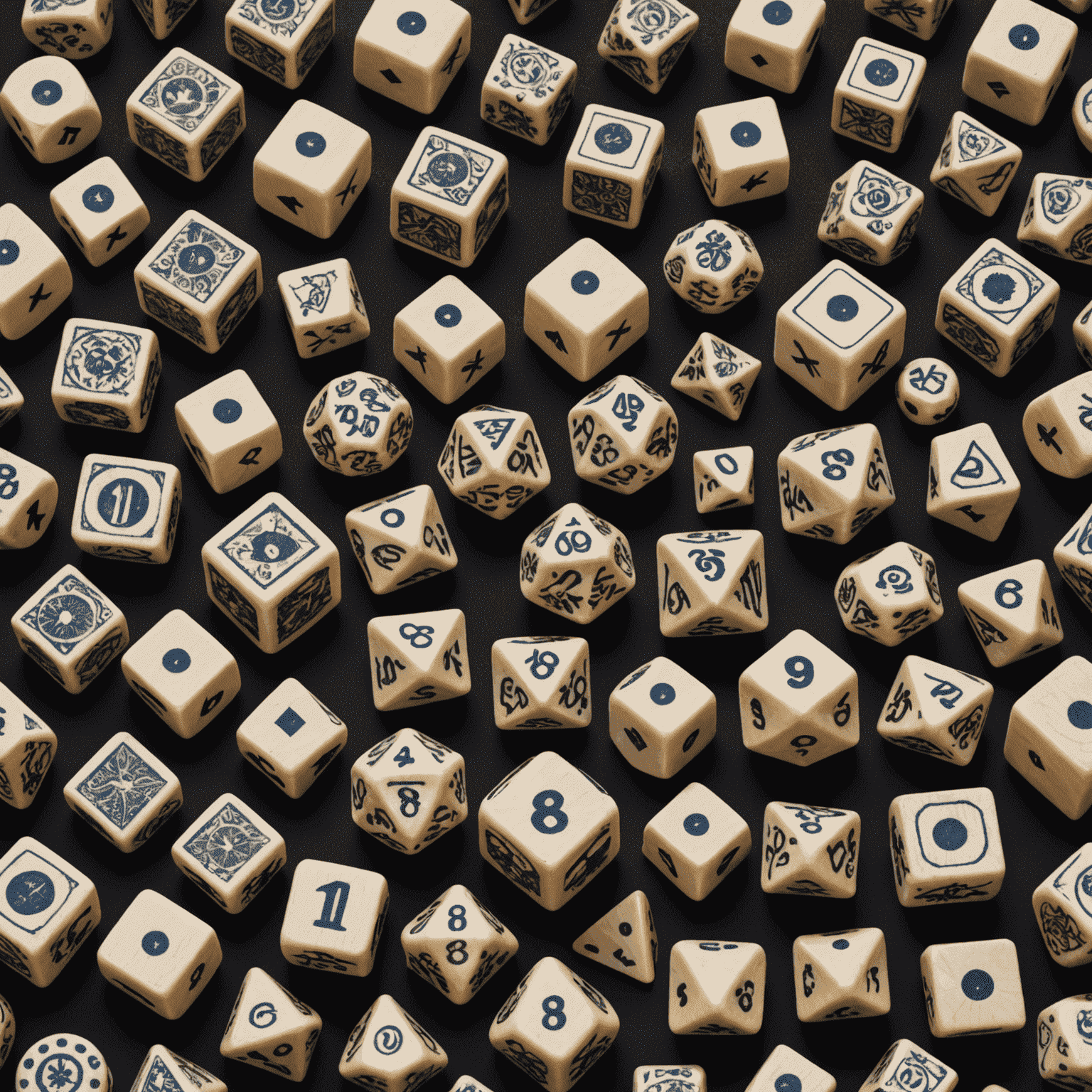
Dice have been an integral part of board games for millennia, shaping the way we play and adding an element of chance to our strategic decisions. From ancient civilizations to modern tabletop gaming, these small objects have had an outsized impact on the evolution of games.
Ancient Origins
The earliest dice were not the perfect cubes we know today. Archaeological evidence suggests that ancient civilizations used knucklebones from sheep or other animals as a primitive form of dice. These irregularly shaped objects were used in divination practices and early games of chance.
In Mesopotamia and Egypt, cubical dice similar to modern ones appeared around 3000 BCE. These early dice were often made of ceramic, bone, or ivory, and were used in board games that combined strategy with elements of chance.
Medieval and Renaissance Era
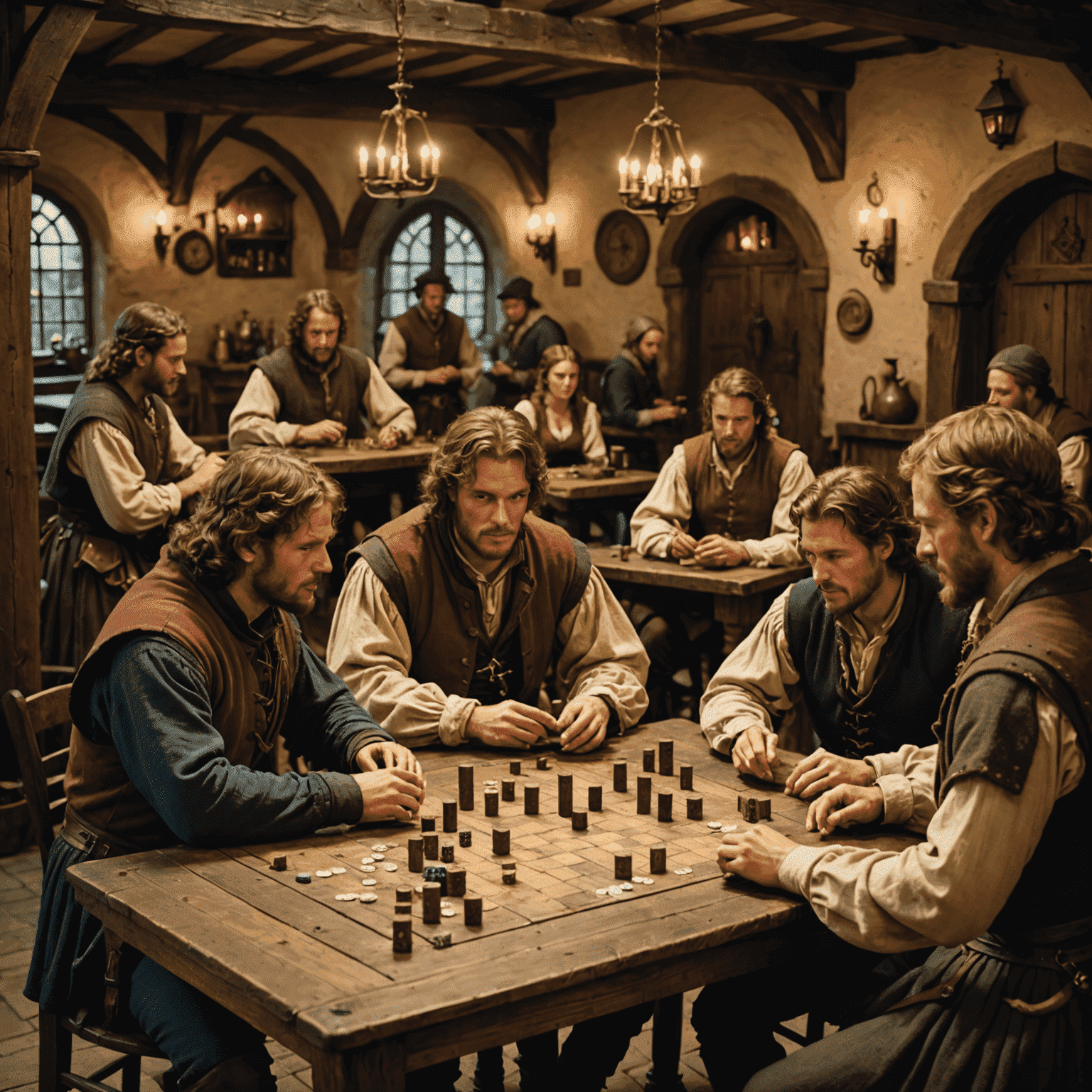
During the Middle Ages, dice games became increasingly popular, despite frequent attempts by authorities to ban them due to their association with gambling. The Renaissance saw a revival of interest in games of all kinds, including those using dice. This period also saw the development of more complex board games that incorporated dice as a central mechanic.
Modern Era and the Board Game Renaissance
The 20th century saw an explosion in the variety and complexity of board games, many of which relied heavily on dice. Games like Monopoly, Risk, and Yahtzee became household names, each using dice in unique ways to drive gameplay.
The late 20th and early 21st centuries have been dubbed the "Board Game Renaissance," with a surge in innovative game designs. Many modern board games use dice in increasingly creative ways, from custom dice with unique symbols to dice-drafting mechanics that add layers of strategy to the randomness.
The Future of Dice in Gaming
As we look to the future, dice continue to evolve. Digital board games often use virtual dice, while some physical games are experimenting with electronic dice that can change their faces or communicate with other game components. Despite these innovations, the basic thrill of rolling dice remains a core appeal for many gamers.
The history of dice in board games is a testament to human creativity and our enduring love for games of chance and strategy. From ancient knucklebones to modern polyhedral dice, these small objects have rolled their way through history, shaping our gaming experiences and bringing excitement to tabletops around the world.
Remember: Whether you're playing a classic like Backgammon or the latest strategy game, every roll of the dice carries with it thousands of years of gaming history. So next time you're at the gaming table, take a moment to appreciate these small but mighty objects that have been entertaining humanity for millennia.